3 Easy Ways Methodology for Process Improvement Boosts Success

The methodology for process improvement provides businesses with clear steps for achieving measurable progress. Organizations often experience a 20% increase in operational efficiency within the first year of implementing these structured approaches. The chart below illustrates how these methods contribute to fewer defects, reduced costs, and enhanced customer satisfaction.
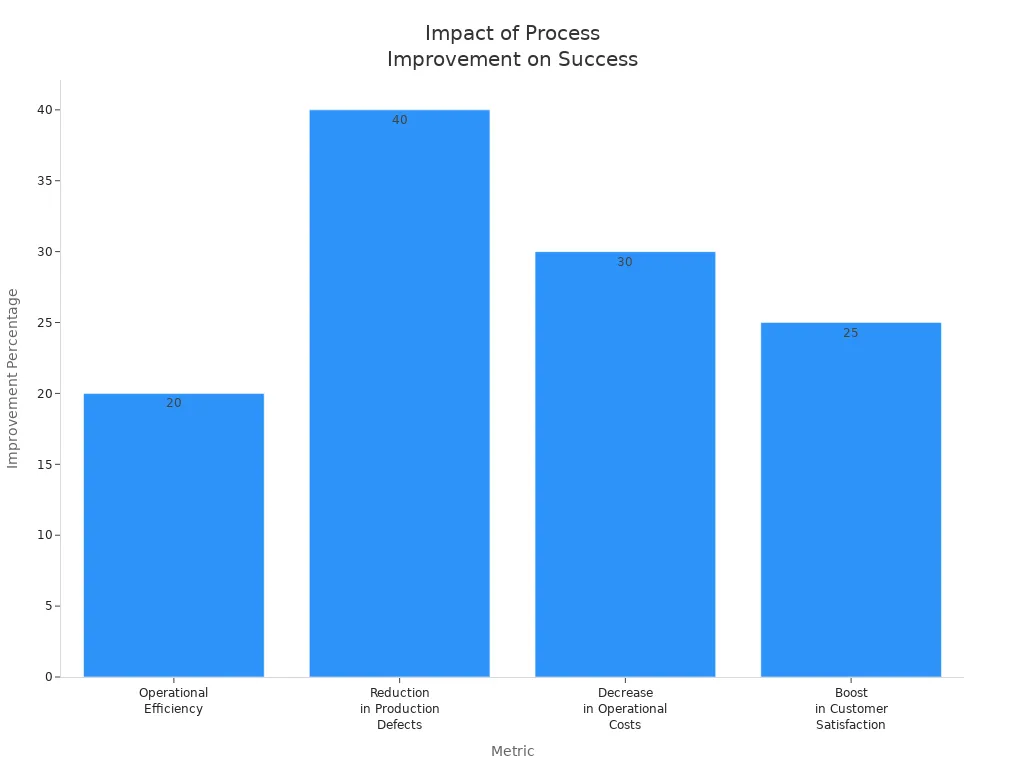
Leaders leverage knowledge from Lean, Six Sigma, and Kaizen to drive results in sales and business management. Teams gain significant advantages when they reflect on their current processes and remain receptive to quick wins.
Key Takeaways
Process improvement methodologies can boost operational efficiency by 20% in the first year.
Common methods include Lean, Six Sigma, and Kaizen, each offering unique tools for improvement.
Identifying and removing bottlenecks streamlines workflows and enhances productivity.
Clear roles and effective communication within teams lead to better collaboration and results.
Tracking progress with metrics helps teams measure the impact of their improvements.
Engaging employees in the process fosters motivation and ownership of changes.
Celebrating small wins keeps teams motivated and focused on long-term goals.
A culture of continuous improvement leads to better quality, lower costs, and higher customer satisfaction.
Methodology for Process Improvement Overview
Key Approaches
Many organizations rely on proven approaches to improve their processes. The most widely adopted process improvement methodologies include:
Six Sigma
Lean
Kaizen
Total Quality Management (TQM)
PDCA (Plan-Do-Check-Act)
5 Whys
Each methodology for process improvement offers a unique set of tools and principles. These systems help teams analyze workflows, reduce waste, and boost quality.
Six Sigma
Six Sigma focuses on reducing variation and defects. Teams use data and statistical analysis to solve problems and improve quality. This approach aims for near-perfect results by following a structured process.
Lean
Lean centers on removing waste and increasing value for customers. Teams map out each step in a process to find and eliminate activities that do not add value. Lean encourages continuous improvement and efficiency.
Kaizen
Kaizen means "change for the better." This method encourages everyone in an organization to suggest small, daily improvements. Over time, these small changes lead to big results.
PDCA
PDCA stands for Plan-Do-Check-Act. Teams use this cycle to plan improvements, test them, check the results, and act on what they learn. PDCA supports ongoing progress and learning.
5 Whys
The 5 Whys technique helps teams find the root cause of a problem. By asking "why" five times, teams dig deeper into issues and prevent them from happening again.
TQM
Total Quality Management (TQM) involves everyone in the organization. TQM focuses on long-term success by improving processes, products, and services through teamwork and customer focus.
Why Methodology Matters
A methodology for process improvement gives teams a clear path to follow. By mapping and analyzing workflows, teams gain a better understanding of current processes. This knowledge helps them make informed decisions about where to focus improvement efforts. Setting clear goals and metrics guides the improvement process and allows teams to track progress.
Teams that use structured methodologies often see measurable improvements in efficiency, quality, and customer satisfaction. Involving employees at all levels increases engagement and motivation for successful change.
The table below highlights how these approaches drive value in organizations:
Evidence Type | Description |
|---|---|
Process Optimization Value | 83% of leaders view process optimization as a tool for driving value and rapid change. |
Importance During Instability | 82% stress the importance of process optimization during economic instability to improve cash flow. |
Engagement and Motivation | Involving employees at all levels fosters engagement and motivation for successful change. |
Core principles shared by Lean, Six Sigma, and Kaizen include defining value, mapping value streams, creating flow, establishing pull, and pursuing perfection. These principles help organizations align products and services with customer needs, reveal inefficiencies, and drive continuous improvement.
A strong methodology for process improvement helps organizations adapt and thrive in changing environments. It creates a culture where teams focus on lasting success and ongoing progress.
Streamline Workflow
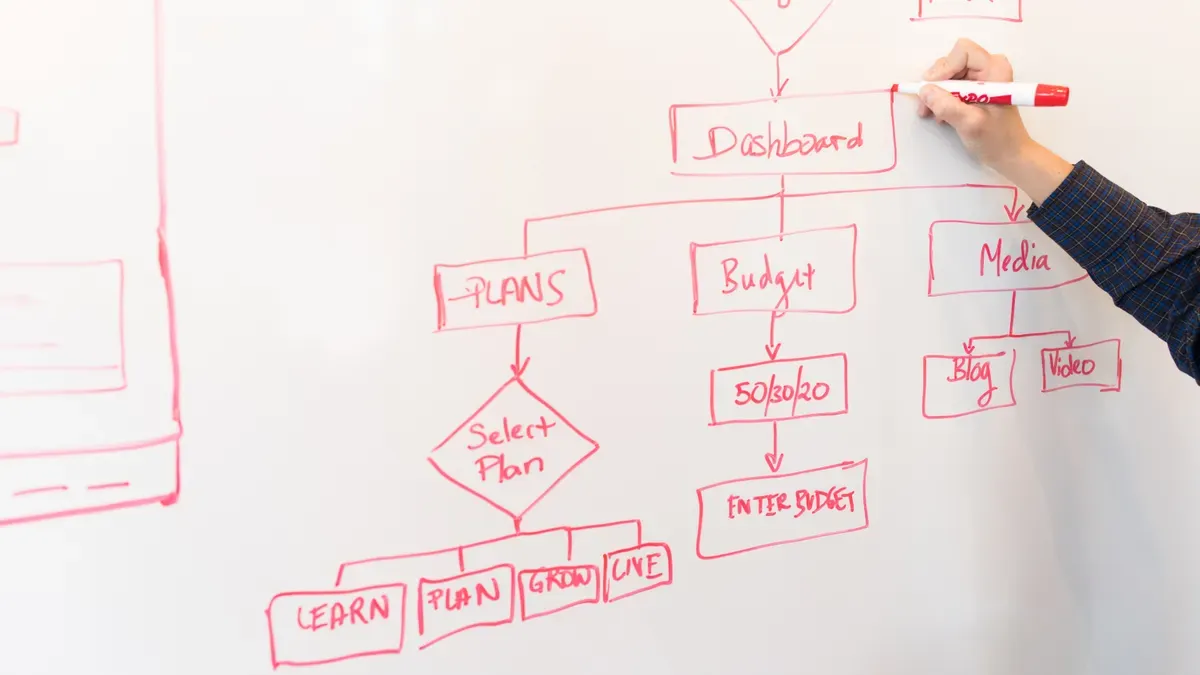
Streamlining workflow stands as a core benefit of using a methodology for process improvement. Lean and the 5 Whys method help organizations identify and remove inefficiencies, making daily operations smoother and more productive.
Identify Bottlenecks
Signs of Bottlenecks
Bottlenecks slow down progress and reduce efficiency. Common signs include:
Tasks piling up at a certain step
Frequent delays in project completion
Employees waiting for approvals or information
Repeated errors or rework in the same area
These issues often point to deeper problems in the workflow.
Tools for Detection
Teams use several tools to spot bottlenecks. Lean encourages mapping out each step in a process to see where work gets stuck. The 5 Whys technique helps teams dig into the root cause by asking "Why?" multiple times until they reach the underlying issue. For example, a customer service team noticed more complaints about delayed shipments. By using the 5 Whys, they traced the problem to an outdated inventory system. After upgrading the system, shipment delays dropped by 60%, and customer satisfaction improved.
Other common bottlenecks include outdated systems, manual processes, inefficient workflows, and poor resource allocation. Methodologies such as Lean and Business Process Management help teams address these issues by streamlining operations and focusing resources where they matter most.
Remove Waste
Eliminate Unnecessary Steps
Lean process improvement focuses on removing steps that do not add value. Teams review each part of a process and ask if it helps achieve the goal. If a step only adds time or confusion, they remove it. This approach leads to faster results and allows employees to focus on important tasks.
Simplify Processes
Simplifying processes means making tasks easier to complete. Teams look for ways to combine steps, use technology, or automate repetitive work. This not only saves time but also reduces errors and costs. The table below shows some measurable results organizations achieve by removing waste:
Measurable Outcome | Description |
|---|---|
Faster Results | Lean principles help organizations achieve goals quickly and sustainably by targeting waste. |
Increased Productivity | Improved processes lead to faster task completion, allowing teams to focus on higher value tasks. |
Reduced Operational Expenses | Streamlining operations cuts down on waste and errors, leading to lower costs. |
Consistent Quality and Timely Delivery | Optimized processes ensure products meet quality standards, enhancing customer trust. |
Better Adaptation to Regulations and Market Opportunities | Optimized processes allow organizations to respond effectively to changes in regulations and market demands. |
Enhanced Competitive Position | Continuous improvement positions organizations favorably in the marketplace. |
Tip: Teams should avoid common pitfalls such as underestimating the importance of technology, neglecting employee training, and failing to measure progress. Regular monitoring and clear goals help maintain improvements.
A methodology for process improvement gives teams a structured way to find and fix workflow problems. By focusing on value and removing waste, organizations can boost productivity, reduce costs, and deliver better results to customers.
Team Collaboration
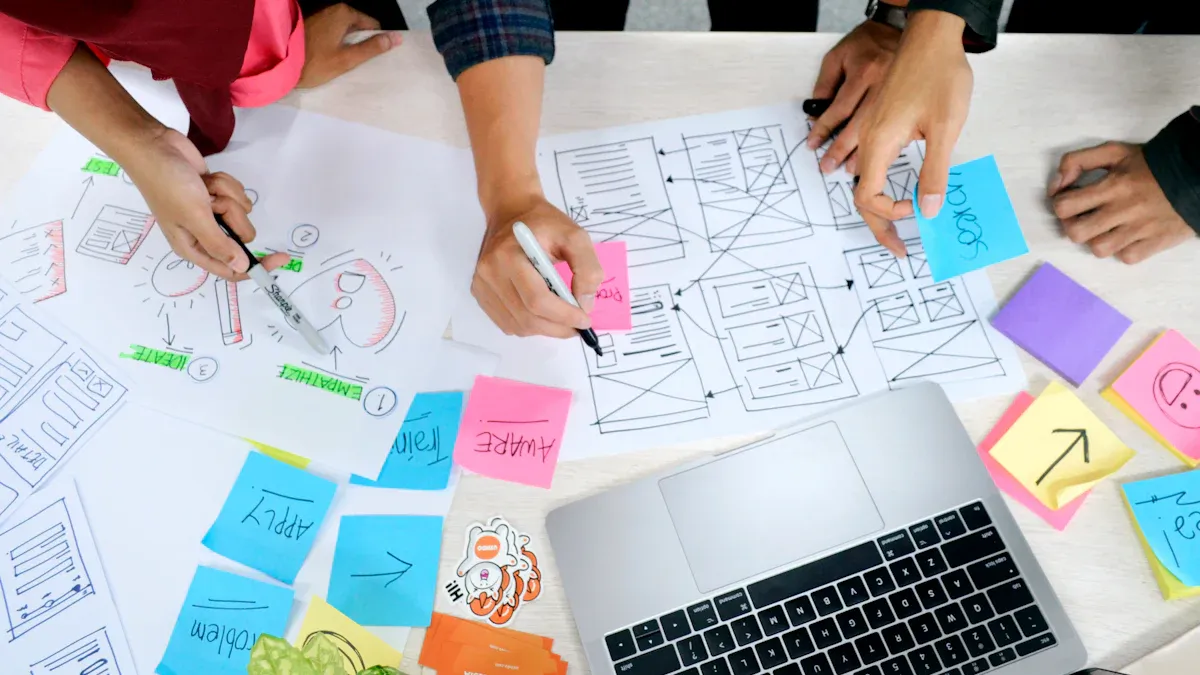
Effective team collaboration stands at the heart of every successful process improvement initiative. The methodology for process improvement encourages teams to work together, break down silos, and communicate openly. When teams collaborate, they solve problems faster and achieve better results.
Define Roles
Role Clarity
Clear roles help teams function smoothly. When each member knows their responsibilities, confusion decreases and accountability increases. Teams with well-defined roles often experience:
Enhanced collaboration among members
Smoother operations and fewer misunderstandings
Increased ownership of tasks and outcomes
Establishing clear roles also fosters a culture of ownership. When organizations link measurable success metrics to these roles, they can track performance more effectively. This approach helps everyone understand how their work contributes to the team's goals.
Avoid Overlap
Role overlap can lead to duplicated efforts and wasted time. Teams should review responsibilities regularly to ensure that each person has a unique and valuable role. Some practical steps include:
Creating a responsibility matrix to map out tasks
Holding brief check-ins to clarify duties
Adjusting roles as projects evolve
By avoiding overlap, teams reduce confusion and improve efficiency.
Improve Communication
Meeting Tips
Strong communication keeps teams aligned and engaged. Teams can improve meetings by:
Setting clear agendas and sticking to them
Assigning a facilitator to keep discussions focused
Encouraging everyone to share updates and concerns
Structured communication protocols ensure that important information flows effectively. Active listening techniques, such as confirming understanding and asking follow-up questions, foster a collaborative environment.
Collaboration Tools
Modern tools make teamwork easier. Teams benefit from using:
Shared digital workspaces for project tracking
Instant messaging platforms for quick questions
Document sharing systems for easy access to resources
These tools create channels for knowledge sharing, both formal and informal. They also help teams balance transparency with focus, sharing information that builds trust without overwhelming members.
Teams that use process mapping tools gain a clearer understanding of their workflows. This clarity allows for targeted improvements to be made quickly.
Process improvement initiatives often involve cross-functional teams. This approach enhances collaboration between departments and breaks down silos. A more cohesive and synergistic working environment drives better results.
A solid communication plan is essential for success. Under-communication can lead to disengagement and stalled projects. Keeping everyone informed about changes, timelines, and progress maintains engagement and momentum.
Tip: Teams should avoid common pitfalls such as unclear roles, overlapping responsibilities, and poor communication. Regular check-ins and the right tools help teams stay on track and achieve their goals.
Measure and Adapt
Continuous improvement depends on the ability to measure progress and adapt quickly. Methodologies like PDCA and Total Quality Management (TQM) focus on ongoing evaluation and adjustment. These approaches help organizations respond to changes and maintain high performance.
Track Progress
Key Metrics
Teams track progress using clear metrics. These measurements show if process changes lead to real improvements. Common metrics include:
Metric | Description |
|---|---|
Measures how much faster the process completes compared to the baseline. | |
Defect Rate | Tracks the frequency of errors, rework, or quality issues. |
Cost Savings | Quantifies the measurable reduction in labor, materials, or overhead costs. |
Employee Productivity | Assesses whether teams are producing more output per hour. |
Customer Satisfaction | Evaluates if improvements in process quality lead to better outcomes for end users. |
Teams also monitor cycle time reductions, productivity improvements, and waste elimination. Project completion rates and achievement of targeted improvements provide further insight into success.
Tracking Methods
Simple tracking methods help teams stay on course. Many organizations use visual dashboards, spreadsheets, or project management tools to record progress. Regular check-ins and status updates keep everyone informed. Teams often compare results to baseline data to see if changes deliver the expected benefits.
Tip: Tracking both direct results, such as cost savings, and indirect benefits, like employee engagement, gives a complete picture of improvement.
Use Feedback
Collect Feedback
Feedback drives continuous improvement. Teams gather input from employees, customers, and stakeholders. Surveys, suggestion boxes, and interviews provide valuable insights. This information helps teams understand what works and what needs adjustment.
Organizations use structured cycles like Plan-Do-Check-Act to review feedback and refine processes. This approach ensures that improvements match real needs, not just assumptions.
Implement Changes
Teams act on feedback by making targeted changes. They test new ideas, monitor results, and adjust as needed. This cycle repeats, leading to better quality, higher customer satisfaction, and more innovation. Listening to feedback helps teams identify flaws, boost retention, and generate new ideas.
Tools for Measurement
Many tools support measurement and adaptation. Teams use key performance indicators (KPIs) to track progress. Common KPIs include:
KPI | Description |
|---|---|
Cycle time | Measures the time taken to complete a process. |
Defect rate | Tracks the number of defects in a process. |
Customer satisfaction | Assesses how satisfied customers are with the service. |
Cost per unit | Evaluates the cost associated with producing one unit. |
Employee productivity | Measures the output of employees in relation to input. |
Other tools include time tracking apps, error logs, and customer feedback platforms. These tools help teams measure time saved, error reduction, and satisfaction levels.
Organizations also calculate return on investment by looking at cost savings, productivity gains, and revenue improvements. Indirect benefits, such as better engagement and a stronger competitive position, add long-term value.
A strong methodology for process improvement ensures that teams measure, learn, and adapt. This cycle leads to lasting success and a culture of continuous growth.
Overcoming Challenges
Process improvement brings many benefits, but organizations often face obstacles along the way. Teams may struggle with resistance to change, lack of knowledge, or difficulty staying motivated. Addressing these challenges helps ensure long-term success.
Change Resistance
Many employees feel uncertain about new processes. They may worry about extra work or fear making mistakes. Leaders often see these common challenges:
Employee participation varies, with some team members hesitant to change.
Time constraints make it hard to focus on improvement.
Organizing everyone around a shared goal proves difficult.
Lack of knowledge about process improvement slows progress.
Resistance can come from traditional structures, fear of failure, or lack of trust.
Teams sometimes lack alignment, leading to scattered efforts.
Poor communication causes misunderstandings and conflicting priorities.
Strategies for Buy-In
Successful organizations use several strategies to gain support for change:
Engage employees early in the process to build ownership.
Communicate the benefits of new methods clearly.
Provide training and resources so everyone feels prepared.
Involving employees in decision-making builds trust and reduces fear. Quick wins show that changes work, which helps turn skeptics into supporters. Training sessions give teams the skills they need to succeed.
Effective change management means leaders address concerns early, explain the value of improvements, and encourage participation. This approach reduces resistance and increases adoption.
Communication Tips
Clear communication keeps everyone on the same page. Teams can:
Develop a communication plan that reaches all groups.
Clarify the impact and value of each project.
Use tools and technology to share updates.
Answer both "what" and "why" questions about changes.
Tailor messages for different audiences.
Regular updates and open channels for feedback help teams stay informed and engaged.
Maintain Momentum
Keeping motivation high over time is essential for lasting improvement. Teams that stay engaged see better results and higher job satisfaction.
Short-Term Goals
Setting short-term goals helps teams see progress quickly. These small wins:
Show that efforts pay off and changes are worthwhile.
Boost morale and motivation.
Help build momentum for larger changes.
Keep focus on long-term goals, even when setbacks occur.
Teams should celebrate each milestone, no matter how small.
Celebrate Wins
Recognizing achievements encourages continued effort. Leaders can:
Publicly acknowledge team successes.
Offer rewards or incentives for meeting goals.
Share stories of improvement to inspire others.
Recognition and rewards are fundamental to sustaining a process improvement culture. Celebrating successes boosts morale and helps employees stay committed to ongoing improvement.
Organizations that celebrate wins and set clear goals create a positive environment. This approach helps teams overcome challenges and maintain progress on their journey to success.
Success Stories
Business Case Studies
Before and After
Many organizations have transformed their operations by applying process improvement methodologies. Teams and systems played a key role in these changes. The table below shows how companies in different industries improved their processes and achieved measurable results:
Case Study | Industry | Problem | Results | Impact |
|---|---|---|---|---|
Guest Check-in Optimization | Hospitality | Long check-in times | Reduced from 8.5 to 3.2 minutes (62% faster) | Increased guest satisfaction scores by 28% |
Dell Technologies | Technology Manufacturing | Long lead times and high inventory costs | Reduced order-to-delivery time from 21 to 7 days, $47M annual savings | Improved supplier performance ratings by 34% |
Microsoft | Software Development | High defect rates | 67% reduction in post-release defects, 40% faster time-to-market | N/A |
Walmart | Retail | Stock-outs and overstock | Stock-out rate decreased from 6.8% to 1.9% (72% improvement) | Released $125M in working capital |
Bank of America | Financial Services | Long cycle times in mortgage processing | Processing time reduced from 45 to 18 days (60% improvement) | Net Promoter Score improved by 35 points |
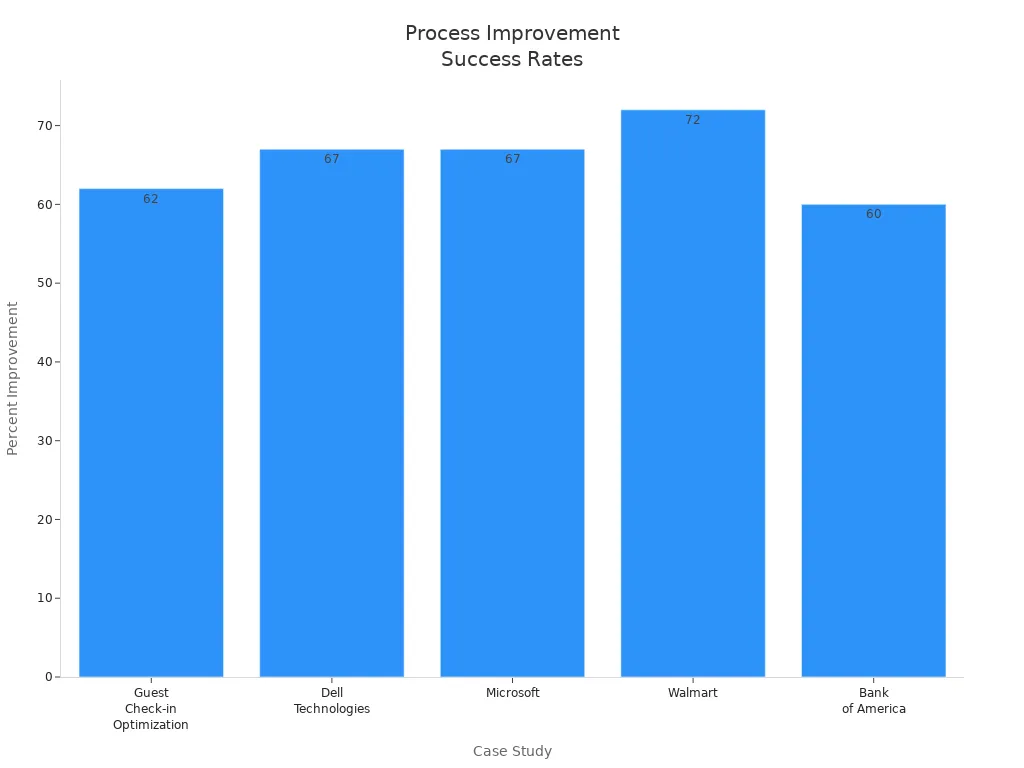
These examples show how teams used structured systems to identify problems, implement solutions, and track progress. For instance, Dell Technologies streamlined its supply chain by involving cross-functional teams and using Lean principles. Bank of America improved its mortgage process by mapping workflows and setting clear goals for each team.
Key Takeaways
Teams that use process improvement methods can achieve faster results and higher quality.
Systems for tracking progress help organizations measure the impact of changes.
Collaboration across departments leads to better solutions and long-term success.
Industry Best Practices
Lessons Learned
Industry leaders have developed several best practices for process improvement. These practices help teams and systems work together for lasting results:
Capture ideas from employees, especially those on the front lines.
Respond to employee suggestions to boost morale and encourage innovation.
Foster psychological safety so everyone feels comfortable sharing problems and ideas.
Schedule regular project reviews to support continuous learning.
Track improvement projects with project management software.
Follow a clear, continuous improvement plan.
Train new employees in process improvement skills.
Align projects with the right stakeholders for better collaboration.
Analyze current processes to set a baseline for improvement.
Identify areas for improvement and create benchmarks to measure progress.
Teams that follow these practices often see steady progress and higher engagement.
Mistakes to Avoid
Organizations sometimes struggle to sustain process improvement. The table below highlights common lessons learned from these challenges:
Lesson | Description |
|---|---|
Leadership Engagement | Senior leaders must stay involved and make process improvement a daily priority. |
Focused Projects | Teams should focus on a few key projects instead of trying to fix everything at once. |
Training with Application | Training works best when linked to real projects, helping teams apply new skills quickly. |
Other important points include:
Teams should treat failures as learning opportunities.
Analyzing what went wrong helps prevent future mistakes.
By learning from both successes and setbacks, organizations can build stronger systems and more effective teams for ongoing improvement.
Start Improving Today
Quick Steps
Action Checklist
Organizations can begin improving processes right away by following a clear checklist. These steps help teams focus and take action quickly:
Assemble a cross-functional team with members from different departments.
Document the current process and compare expected workflows to actual results.
Identify waste and inefficiencies in the process.
Brainstorm solutions together and select the best ideas for improvement.
Tip: Teams should review progress regularly and adjust actions as needed. Small changes often lead to big results.
Resources
Many resources support organizations as they build a culture of improvement. Teams benefit from:
Encouraging experimentation and allowing testing of new ideas.
Providing training opportunities through workshops and courses.
Implementing mentorship programs that pair experienced employees with newcomers.
Recognizing and rewarding contributions to improvement efforts.
Building collaborative teams that work toward common goals.
Embracing failure as a learning opportunity and fostering a growth mindset.
Leaders who invest in ongoing training and create structured feedback channels help teams stay engaged and motivated.
Build a Culture
Continuous Improvement
A culture of continuous improvement brings lasting benefits. Organizations that adopt this mindset experience:
Benefit | Description |
|---|---|
Teams become more agile and efficient in their operations. | |
Cost Reduction | Eliminating waste and optimizing resources lowers expenses. |
Improved Quality | Enhancements in product quality lead to better customer satisfaction and loyalty. |
Enhanced Employee Engagement | Involving employees in decision-making boosts morale and productivity. |
Adaptability | Teams adapt swiftly to market changes, increasing resilience. |
Greater Customer Satisfaction | Streamlined processes and error elimination improve customer service and satisfaction. |
Adopting continuous improvement helps organizations grow sustainably and gain a competitive advantage.
Leadership Tips
Leaders play a key role in building a culture that supports ongoing process improvement. They can:
Lead by example and demonstrate commitment to improvement.
Encourage feedback by establishing communication channels for employee insights.
Provide resources such as time, budget, and tools for improvement initiatives.
Empower employees to make decisions and lead process improvements.
Streamline approval processes to speed up implementation.
Embrace failure as a learning opportunity and encourage innovation.
Leadership commitment, employee empowerment, and open communication create an environment where improvement thrives.
Teams that follow a methodology for process improvement and build a culture of continuous learning achieve greater efficiency, quality, and satisfaction. Organizations that start today can see measurable progress and long-term success.
The table below highlights how Lean Manufacturing, Six Sigma, and Business Process Reengineering drive business success through waste reduction, quality improvement, and process redesign.
Methodology | Impact on Business Success |
|---|---|
Lean Manufacturing | Minimizes waste and maximizes customer value, leading to improved quality and reduced costs. |
Six Sigma | Focuses on reducing defects and process variation, achieving near-perfect quality and measurable financial returns. |
Business Process Reengineering | Involves radical redesign of processes for dramatic improvements in cost, quality, service, and speed. |
Methodology for Process Improvement increases efficiency, lowers costs, and supports sustained growth. Organizations that apply these methods see higher customer satisfaction and employee morale. They can start today and build a culture of continuous improvement. For more information or support, readers can reach out and continue their learning journey.
FAQ
What is a process improvement methodology?
A process improvement methodology gives teams a structured way to make work better. It uses clear steps and tools to find problems, fix them, and measure results.
How does Lean differ from Six Sigma?
Lean focuses on removing waste and making work flow smoothly. Six Sigma aims to reduce errors by using data and analysis. Both help teams improve, but they use different tools.
Why should teams measure process changes?
Teams measure process changes to see if improvements work. Tracking results helps them know what to keep, change, or stop. Measurement leads to better decisions.
Can small businesses use these methods?
Small businesses can use process improvement methods. They can start with simple tools like process maps or the 5 Whys. Even small changes can make a big difference.
What are common mistakes in process improvement?
Teams often skip measuring results, ignore feedback, or try to change too much at once. They should focus on clear goals, involve everyone, and review progress often.
How do teams keep improvement going?
Teams keep improvement going by setting short-term goals, celebrating wins, and reviewing progress. Leaders support teams by encouraging feedback and providing resources.
Which tools help track process improvement?
Teams use dashboards, spreadsheets, and project management apps to track progress. These tools show results, highlight problems, and help teams stay focused.
Why is team collaboration important?
Team collaboration brings different skills and ideas together. It helps teams solve problems faster and make better decisions. Good teamwork leads to lasting improvements.


