Maximize Your Business Potential with Optimization Strategies

Business optimization unlocks a company’s full potential by increasing productivity and profits. Many organizations achieve 15-25% cost savings through optimized processes, and streamlined workflows can cut completion times by up to 50%.
Evidence Type | Statistic/Impact Description |
|---|---|
Employee Productivity | 87% of employees believe they are productive at work. |
Cost Savings | Organizations achieve 15-25% cost savings through optimized processes. |
Time Efficiency | Streamlined workflows can reduce process completion times by up to 50%. |
Companies of all sizes can apply optimization steps to improve operations.
Strategies enhance workflows and anticipate challenges.
Tools like automation and data analytics boost performance and reduce costs.
Business optimization creates value for clients and customers, making these steps accessible and effective for any business.
Key Takeaways
Business optimization can lead to 15-25% cost savings and up to 50% faster completion times.
Conduct a SWOT analysis to identify your company's strengths and weaknesses for better decision-making.
Use SMART goals to set clear, measurable objectives that align with your business vision.
Implement ongoing monitoring strategies to track performance and make necessary adjustments.
Involve employees in process mapping to uncover inefficiencies and foster a culture of continuous improvement.
Leverage technology and automation to streamline operations and enhance productivity.
Regularly review your strategies and KPIs to ensure alignment with business goals and market conditions.
Outsource non-core tasks to focus on your strengths and improve overall efficiency.
Assessing Operations
Identify Strengths and Weaknesses
SWOT Analysis
A thorough assessment of operations begins with identifying strengths and weaknesses. Many companies use SWOT analysis to evaluate internal and external factors. This method helps leaders recognize what their business does well and where improvements are needed. Teams often examine performance metrics, such as machine downtime and service delivery speeds, to gain insights. Statistical process control charts reveal variations in performance, allowing managers to spot issues early. Trend analysis uncovers patterns over time, which supports proactive adjustments.
Method | Description |
|---|---|
Performance Metrics | Automated tracking systems monitor machine downtime and service delivery speeds. |
Statistical Process Control | SPC charts identify performance variations, helping to spot issues early. |
Trend Analysis | Reveals patterns over time, allowing for proactive adjustments. |
Dashboards | Present data in actionable formats, including real-time metrics and historical comparisons. |
Ongoing Monitoring Strategies | Regular reviews and standardized reporting templates help maintain focus on performance. |
Many organizations use dashboards to present data in actionable formats. Ongoing monitoring strategies, such as regular reviews and standardized reporting templates, help maintain focus on performance. Companies that apply these methods often see measurable improvements. For example, a publisher implemented real-time data analytics to monitor ad placements and adjust strategies dynamically. This resulted in a significant uplift in ad yield and increased overall ad revenue.
Case Study | Description | Outcome |
|---|---|---|
Publisher Case Study | Implemented real-time data analytics to monitor ad placements and adjust strategies dynamically. | Significant uplift in ad yield and increased overall ad revenue. |
Performance Marketer Case Study | Used audience segmentation and performance data to optimize campaigns. | Improved ROAS and reduced wasted spend. |
Orangetheory Fitness | Integrated a data platform for real-time insights, reducing analytics development time. | Enhanced campaign effectiveness and improved marketing ROI. |
Team Feedback
Team feedback plays a crucial role in identifying operational strengths and weaknesses. Employees often provide valuable insights about workflow challenges and areas for improvement. Leaders who involve various departments gain diverse perspectives. This approach helps avoid common pitfalls, such as focusing too narrowly on financial metrics or failing to involve the right stakeholders.
Common Pitfalls | Strategies to Avoid Them |
|---|---|
Focusing too narrowly on financial metrics | Adopt a balanced approach that considers diverse metrics. |
Failing to involve the right stakeholders | Involve various departments to gain diverse perspectives. |
Setting vague or unrealistic goals | Use the SMART framework for clear and actionable goals. |
Map Key Processes
Workflow Visualization
Mapping key processes allows businesses to visualize workflows and detect inefficiencies. Leaders identify processes that need improvement and map out current steps, including all stakeholders. They analyze each step for inefficiencies and set clear objectives for optimization efforts.
Identify key processes that need improvement.
Map out current processes, including all stakeholders.
Analyze for inefficiencies in each step of the process.
Set clear objectives for optimization efforts.
Redesign processes based on analysis.
Implement and communicate changes to all employees.
Monitor and adjust processes continuously.
Bottleneck Detection
Detecting bottlenecks is essential for Business Optimization. Teams apply root cause analysis to uncover real drivers of inefficiencies. They redesign workflows to eliminate waste and streamline processes. Benchmarking against industry leaders helps incorporate best practices and standards. Detailed documentation ensures consistency, while pilot tests and simulations validate improvements before full implementation. Leaders establish KPIs for ongoing monitoring and conduct audits to detect compliance gaps. Employee feedback supports continuous improvement and fosters a culture of innovation.
Apply root cause analysis to uncover real drivers of inefficiencies.
Redesign workflows to eliminate waste and streamline processes.
Incorporate best practices and standards by benchmarking against industry leaders.
Develop detailed documentation for new processes to ensure consistency.
Conduct pilot tests and simulations to validate improvements before full implementation.
Establish KPIs for ongoing monitoring to track performance over time.
Conduct audits and reviews to detect bottlenecks and compliance gaps.
Encourage employee feedback for continuous improvement.
Foster a culture of continuous improvement by integrating automation.
Tip: Leaders who involve employees in process mapping and bottleneck detection often achieve greater success in Business Optimization.
Setting Business Goals
Measurable Objectives
Clear objectives drive progress and help teams focus on what matters most. Companies often use measurable goals to track performance and guide decision-making. Specific targets, such as reducing customer churn or boosting sales, provide direction and motivation. Teams that set ambitious goals see higher performance levels compared to those with vague objectives. Research shows that individuals and groups can reach the 80th percentile in performance when they pursue specific targets.
Note: Specific, ambitious goals improve performance significantly. Teams benefit from clear metrics and feedback.
SMART Goals
The SMART framework helps organizations define goals that are Specific, Measurable, Achievable, Relevant, and Time-bound. Leaders use SMART goals to clarify expectations and measure success. For example, a company might aim to increase sales of a product by 20% in the domestic market over six months. This goal is clear, realistic, and tied to a deadline.
KPI/Metric | Example | Measurable Objective |
|---|---|---|
Customer Churn | Reduce customer churn by 15% within a year | Average resolution time, feature engagement |
E-commerce Sales | Increase sales by 20% during holidays | Conversion rates, ad performance |
Manufacturing Efficiency | Achieve a 10% efficiency boost | Machine uptime |
Establish SMART goals to define success clearly.
Increase customer satisfaction scores by 10% within six months through targeted service improvements.
Teams that set SMART goals focus their attention and effort on relevant activities. Challenging objectives encourage persistence and strategic thinking. A meta-analysis of 83 interventions found that specific objectives and feedback can elevate team performance to the 88th percentile. Over 500 studies confirm the effectiveness of ambitious, measurable goals.
Direction: Goals focus attention and effort.
Effort: Challenging goals increase exertion.
Persistence: Objectives encourage commitment.
Task Strategy: Teams create and implement plans to achieve targets.
Align with Vision
Business goals must align with the company’s vision to ensure long-term success. Leaders who connect objectives to the broader mission help teams understand the purpose behind their work. Relevant goals contribute directly to long-term priorities and keep everyone focused on significant outcomes.
Evidence | Explanation |
|---|---|
A relevant goal directly contributes to long-term objectives and aligns with business priorities. | Goals that match the company vision enhance focus on achieving important results over time. |
Setting SMART goals drives short-term growth and offers a clear, strategic long-term perspective. | The SMART methodology supports immediate performance and builds a roadmap toward the vision. |
Transparency can foster strategic alignment without resorting to a time-intensive process of cascading goals down the chain of command. | Clear communication ensures all levels of the organization align with the vision, promoting long-term success. |
Business Optimization depends on setting goals that reflect the company’s values and mission. Transparent communication of objectives helps teams stay aligned and motivated. Leaders who share the vision and connect goals to daily tasks create a sense of purpose and direction. This approach supports both short-term achievements and long-term growth.
Business Optimization Strategies
Cost Analysis
Expense Review
Cost analysis forms the foundation of Business Optimization. Teams examine spending patterns to uncover opportunities for savings and value enhancement. They review expenses across departments, identifying areas where costs exceed industry benchmarks. Systems collect and analyze workflow data, helping organizations pinpoint inefficiencies.
Cost optimization as an organizational strategy offers a more holistic approach. It involves a thorough analysis of spending and processes across the entire organization to identify not just savings, but also opportunities to enhance value.
Clients at systems and teams use this approach to gain a clear view of their financial landscape. They track expenses with real-time dashboards and compare results to key performance indicators. This process reveals hidden costs and supports informed decision-making.
Organizations that implement systematic analysis of workflow data report 20-30% improvement in productivity.
This approach reveals hidden inefficiencies and opportunities for streamlining processes.
Key performance indicators track improvements, providing real-time feedback on process changes.
Waste Reduction
Waste reduction increases efficiency and lowers operating costs. Teams identify redundant activities and eliminate unnecessary steps. Systems monitor resource usage and highlight areas where waste occurs. Leaders set targets for reducing waste and measure progress with performance metrics.
Small businesses often focus on actionable tactics such as cost assessment and automation. Large enterprises use broader strategies that align with organizational goals. Both groups move beyond traditional cost-cutting and embrace growth-oriented optimization.
Process Improvement
Streamlining Steps
Process improvement drives operational efficiency. Teams map workflows and remove bottlenecks. Systems analyze cycle times and error rates, helping organizations optimize resource allocation. Companies excelling in operational improvement achieve 25% higher productivity than competitors. They also experience 20% lower operating costs.
Manufacturing firms report up to 30% reduction in production costs.
Service-based businesses note 40% faster delivery times.
Integration of business analytics into process improvement leads to reduced cycle times.
It results in decreased error rates.
Organizations optimize resource allocation and improve capacity utilization.
Clients at systems and teams use these strategies to streamline operations. They redesign processes, test improvements, and monitor outcomes. This approach supports continuous growth and enhances value for customers.
Standardization
Standardization ensures consistency and quality. Teams develop clear procedures and document best practices. Systems enforce standards across departments, reducing variability and improving reliability. Leaders conduct regular reviews to maintain high performance.
Companies that standardize processes achieve faster onboarding and smoother transitions. They minimize errors and deliver predictable results. This strategy supports Business Optimization by creating a stable foundation for innovation.
Automation
Tool Selection
Automation transforms business operations. Teams select tools that match their needs and integrate them into existing workflows. Systems automate repetitive tasks, freeing employees to focus on higher-value activities.
Benefit | Description |
|---|---|
Reduced Redundancies | Identifies repetitive steps, allowing organizations to operate more efficiently. |
Financial Performance | Reduces costs and increases productivity, freeing up capital for growth and innovation. |
Cost Reduction | Minimizes errors and inefficiencies, significantly cutting operational expenses. |
Increased Productivity | Allows employees to focus on higher-value tasks, improving overall output without extra resources. |
Business process optimization leads to improved efficiency and productivity, ultimately enhancing the bottom line. Workflow optimization results in measurable cost reduction and productivity improvement.
System Integration
System integration maximizes the impact of automation. Teams connect tools and platforms to create seamless workflows. Systems share data across departments, enabling real-time decision-making. Leaders monitor integration outcomes and adjust strategies as needed.
Clients at systems and teams achieve optimization results by combining automation with process improvement. They use integrated platforms to track performance, reduce redundancies, and support growth. This approach delivers measurable gains in efficiency and cost reduction.
Tip: Strong project management and executive backing help overcome challenges during automation and integration. Clear plans and realistic timelines support successful implementation.
Outsourcing
Outsourcing helps businesses focus on their main strengths. Many organizations delegate non-core tasks to external partners. This approach improves efficiency and reduces burnout among employees.
Non-Core Tasks
Companies often outsource functions such as bookkeeping, website design, and customer service. These tasks do not directly impact core business goals. By outsourcing, leaders free up time and resources for strategic activities.
Bookkeeping and payroll
Website design and maintenance
Customer service and support
Logistics and delivery
Janitorial and security services
Successful entrepreneurs prioritize their time by outsourcing tasks they do not enjoy or excel at. This strategy allows them to concentrate on business growth and innovation.
Organizations would focus on their core competencies and outsource everything else to third-party contractors, including services like the mailroom, janitors, security, logistics, payroll, and food services.
Partner Selection
Selecting the right outsourcing partner is crucial. Leaders evaluate tasks that external partners can handle more efficiently. They concentrate on core competencies and outsource the rest. Cost savings and operational efficiency guide their decisions.
Evaluate tasks for outsourcing based on efficiency and expertise.
Concentrate on core business activities.
Consider cost savings and improved operations.
Research and find reputable contractors to ensure quality work.
Companies research potential partners and check their reputation. They look for contractors who deliver quality work and meet deadlines. Clear communication and defined expectations help build strong partnerships.
Technology Use
Modern technology drives Business Optimization. Companies adopt new tools to improve efficiency and track performance. Leaders analyze operations and consult stakeholders to identify technology needs.
Description | |
|---|---|
Customer Management Systems | These systems track customer behavior and feedback, aiding in informed decision-making for process optimization. |
Web Analytics | Tools like Google Analytics help businesses adapt to online trends, enhancing lead generation and customer engagement. |
Payment Processing Systems | Modern solutions provide insights into buyer preferences and shopping trends, improving transaction efficiency. |
Collaboration Tools | A significant rise in usage since the pandemic, these tools enhance understanding of employee workflows and outcomes. |
Scheduling Applications | These apps optimize personnel allocation, providing data for better resource management. |
Automation and Machine Learning | AI is increasingly used for various business processes, from R&D to customer service, enhancing operational efficiency. |
Behavior Analytics | This software supports data-driven decision-making, crucial for HR strategies and overall business success. |
Data Analytics
Data analytics plays a key role in improving business performance. Companies use analytics to reduce operational costs and automate repetitive tasks. Marketing teams benefit from data-driven insights, which help tailor strategies and optimize advertising budgets. Personalized interactions based on data insights foster customer loyalty and improve retention rates.
Data analytics bridges the gap between insight and impact by integrating systems and standardizing definitions.
Aligning analytics with key performance indicators (KPIs) measures outcomes like revenue growth and cost optimization.
Unified data platforms remove silos and establish a single source of truth, linking analytics to business outcomes.
Data analytics reduces operational costs by identifying inefficiencies.
Marketing campaigns improve with tailored strategies.
Customer satisfaction increases through personalized interactions.
Performance Tracking
Performance tracking ensures that technology integration delivers results. Leaders prioritize technology needs based on urgency and impact. They research available options and assess risks. Teams implement and test new technology with detailed plans. Training and engagement support adoption.
Identify technology needs by analyzing business operations.
Prioritize based on urgency and potential impact.
Research and select suitable technology options.
Assess and manage risks.
Implement and test with a clear plan.
Train teams for adoption.
Measure and track success to identify areas for improvement.
Companies measure outcomes such as increased customer satisfaction, reduced costs, and minimized operational risks. Enhanced competitive advantage comes from data-driven decision-making. Performance tracking helps organizations adjust strategies and achieve continuous improvement.
Team Productivity

Communication
Effective communication forms the backbone of productive teams. Clear and open channels allow team members to share ideas, solve problems, and stay aligned with business goals. Teams that communicate well often complete projects faster and with fewer errors. Leaders encourage regular updates and foster an environment where everyone feels comfortable sharing feedback.
Collaboration Tools
Collaboration tools play a vital role in supporting team communication. These platforms enable real-time messaging, file sharing, and project tracking. Teams use chat apps, video conferencing, and shared documents to stay connected, even when working remotely. The right tools help reduce misunderstandings and keep everyone on the same page.
Teams that use multiple communication channels can provide feedback in ways that suit individual preferences. This approach increases the likelihood that feedback will be shared and acted upon.
A few strategies have shown significant improvements in team productivity:
Continuous Feedback: Regular feedback addresses performance issues promptly. Many younger employees, including 50% of millennials and over 65% of Gen Z, prefer frequent feedback to stay engaged.
Utilization of Multiple Communication Channels: Teams benefit from using emails, chat apps, and direct conversations. This flexibility ensures that everyone can communicate in their preferred way.
Leaders who implement these strategies create a culture of openness and trust. Team members feel valued and motivated to contribute their best work.
Training
Ongoing training supports both individual growth and overall business performance. Employees who receive regular feedback understand their strengths and areas for improvement. This clarity leads to better engagement and higher retention rates. Organizations with strong feedback cultures experience nearly 15% lower turnover, which directly benefits productivity.
Staff training drives operational efficiency and supports strategy success. Companies invest in skills development workshops, cross-training, and continuous learning initiatives. These efforts help employees adapt to new technologies and changing business needs.
Staff training drives operational efficiency.
Companies invest in skills development workshops, cross-training, and continuous learning.
Employees gain confidence and adapt quickly to new challenges.
Organizations with robust training programs see 24% higher profit margins than those without structured development plans. Many employees prefer learning through simulations, while over half favor coaching or mentoring. By offering diverse training formats, companies meet different learning preferences and boost overall effectiveness.
Regular feedback and ongoing training not only improve performance but also foster a sense of belonging and satisfaction among employees.
A commitment to communication and training equips teams to handle challenges, innovate, and achieve business goals. These practices lay the foundation for long-term success and continuous improvement.
Tracking Business Optimization Progress
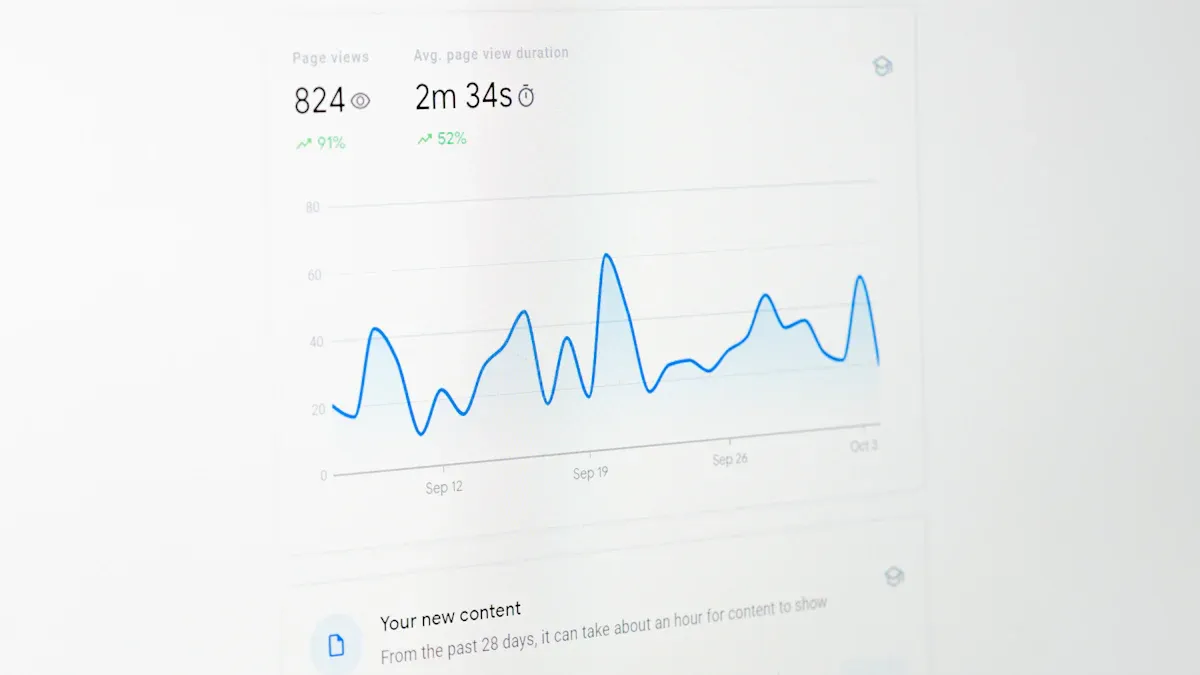
KPI Selection
Key performance indicators, or KPIs, help businesses measure the effectiveness of optimization strategies. Leaders select KPIs that reflect important goals and track progress over time. They choose metrics that show improvements in efficiency, productivity, and customer satisfaction. Teams use KPIs to understand what works and where changes are needed.
A variety of KPIs can guide business optimization. The following table shows common examples:
Metric Example | |
|---|---|
Increase in market share | Monthly sales growth rate |
Reduce customer churn by 15% | Average resolution time, feature engagement |
Increase sales by 20% during holidays | Conversion rates, ad performance |
Achieve a 10% efficiency boost | Machine uptime |
Teams often select KPIs based on the SMART framework. This method ensures that goals are:
Specific: Objectives are clear and focused.
Measurable: Progress is tracked using relevant metrics.
Achievable: Targets are realistic and attainable.
Relevant: Goals align with broader business priorities.
Time-bound: Deadlines are set for achieving results.
Leaders also monitor production efficiency rates, quality metrics, customer satisfaction scores, employee productivity levels, cost per unit, and time to market. These KPIs provide a complete view of business performance.
Tip: Teams should review KPIs regularly to ensure they match current business needs and market conditions.
Strategy Adjustment
Businesses must adjust their optimization strategies to stay competitive. Leaders review progress and compare results to KPIs. They identify areas where strategies succeed and spots that need improvement. Teams use feedback from KPIs to make changes and refine processes.
Regular review is essential for continuous improvement. Companies should conduct strategy reviews at least once a month. This schedule keeps strategies aligned with goals and market shifts. Monthly reviews help teams spot trends early and respond quickly.
Analyze KPI results to find strengths and weaknesses.
Update strategies based on new data and feedback.
Communicate changes to all team members.
Monitor outcomes after adjustments.
Repeat the review process to drive ongoing improvement.
Leaders encourage teams to stay flexible and open to new ideas. They foster a culture where feedback leads to action. By tracking KPIs and adjusting strategies, businesses maximize their potential and achieve lasting success.
Organization and Continuous Improvement
Time Management
Effective time management forms the backbone of organizational efficiency. Teams use proven techniques to maximize productivity and reduce wasted effort. The Eisenhower Matrix helps individuals focus on tasks that align with long-term goals while managing immediate demands. The MoSCoW Method aids in prioritizing requirements, ensuring that projects stay within scope. The Pareto Principle encourages identifying tasks that yield significant outcomes, suggesting that 80% of results come from 20% of efforts.
Eisenhower Matrix: Sorts tasks into quadrants based on urgency and importance.
MoSCoW Method: Categorizes tasks into 'Must-haves,' 'Should-haves,' 'Could-haves,' and 'Won’t-haves.'
Pareto Principle: Highlights high-impact tasks for greater efficiency.
Only 2.5% of people can multitask effectively. Structured prioritization frameworks help teams avoid distractions and focus on meaningful work. Combining multiple methods allows organizations to identify task patterns and separate high-impact activities. Effective time management reduces workplace stress, improves work-life balance, and enhances performance on key metrics.
Teams that master time management see measurable improvements in efficiency and morale.
Task Prioritization
Task prioritization drives business output by guiding focus toward critical activities. The Eisenhower Matrix categorizes tasks based on urgency and importance, helping teams decide what to tackle first. The Eating the Frog Method encourages starting the day with the most challenging task, building momentum for easier tasks. The ABCDE Method assigns letter grades to tasks, directing attention to essential elements. Warren Buffet’s approach narrows priorities to the top five goals, supporting long-term achievement. The Pareto Principle ensures focus on tasks that deliver the greatest results.
Use productivity apps to create to-do lists and track progress.
Limit distractions to enhance focus and productivity.
Review and adjust priorities regularly to stay aligned with changing goals.
Structured prioritization helps teams maximize output and maintain clarity. Regular reviews keep priorities current and support continuous improvement.
Feedback Culture
A strong feedback culture supports continuous improvement within organizations. Open communication leads to better collaboration and outcomes. Employees feel valued and engaged when leaders encourage feedback. Continuous feedback allows real-time performance adjustments, which is crucial for ongoing growth. Recognition of strengths and coaching opportunities supports professional development.
Enhanced communication fosters collaboration.
Increased employee engagement builds commitment.
Real-time feedback enables performance adjustments.
Professional development thrives with coaching and recognition.
Leaders model feedback behavior to emphasize its importance. Training equips employees to give and receive feedback effectively. Both formal and informal channels encourage ongoing communication. Organizations that foster a feedback culture see improvements in cycle times, customer response rates, process accuracy, employee engagement, and customer satisfaction. Tracking these outcomes helps measure the impact of continuous improvement efforts.
A feedback-driven environment creates ownership among employees and supports innovation.
Regular Review
Regular review helps organizations maintain progress and adapt to changing conditions. Teams use scheduled reviews to evaluate goals, measure outcomes, and identify areas for improvement. Leaders often set review periods monthly or quarterly. This routine keeps everyone focused and supports ongoing optimization.
Many companies avoid common pitfalls by not focusing only on financial metrics. They involve diverse stakeholders in the review process. This approach brings different perspectives and uncovers hidden challenges. Over 70% of companies conduct off-site meetings for leadership planning. These meetings encourage open discussion and help teams share ideas.
Teams set realistic goals using the SMART framework. Goals must be specific, measurable, achievable, relevant, and time-bound. This structure makes objectives clear and motivates employees. Leaders celebrate wins and milestones during reviews. Recognition boosts morale and keeps teams engaged.
Involving team members in the review process fosters ownership. Employees share insights about workflows and suggest improvements. Continuous feedback can triple employee engagement compared to annual reviews. Leaders encourage open communication and listen to suggestions from all departments.
Data-driven insights guide decision-making during reviews. Businesses that analyze their data improve productivity by 11% compared to those that do not. Teams use dashboards and performance metrics to track progress. They compare results to benchmarks and adjust strategies as needed.
Best practices for regular review include:
Involve diverse stakeholders to gain multiple viewpoints.
Set SMART goals to ensure clarity and motivation.
Celebrate achievements to maintain engagement.
Use data to inform decisions and measure productivity.
Encourage continuous feedback for real-time improvement.
A typical review process follows these steps:
Schedule regular meetings to assess progress.
Gather input from all team members.
Analyze performance data and compare to goals.
Identify successes and areas needing improvement.
Adjust strategies and set new targets.
Leaders who follow these practices create a culture of continuous improvement. Teams stay motivated and adapt quickly to new challenges. Regular review supports business optimization and helps organizations reach their full potential.
Regular review builds accountability and drives ongoing success. Teams that review progress often respond faster to market changes and maintain high performance.
Business optimization delivers measurable gains in efficiency, cost reduction, and competitiveness. Industry leaders achieve faster task completion, higher productivity, and improved quality. The table below highlights these long-term benefits:
Benefit Type | Improvement Metrics |
|---|---|
Efficiency and Productivity | Task completion time reduced by 40-60% |
Productivity increases of up to 35% | |
Strategic Cost Reduction | 25-30% reduction in operational costs |
Quality Enhancement | 50% reduction in errors and defects |
Customer satisfaction scores increase by 30% | |
Competitive Advantage | Launch new products 40% faster |
Adjust production volumes within 24-48 hours | |
Scale operations without proportional cost increases |
Companies that apply these strategies see lasting improvements. They benefit from continuous resource management, technology integration, and strategic allocation. Tools like Brex automate routine tasks and support financial operations. Businesses ready to optimize can reach out for further information or assistance to continue their journey.
FAQ
What is business optimization?
Business optimization improves efficiency, productivity, and profitability. Teams analyze processes, reduce waste, and use technology to achieve better results. Leaders set clear goals and track progress with key performance indicators.
How can a company start optimizing its operations?
A company begins by assessing current workflows. They identify strengths and weaknesses, map processes, and set measurable goals. Leaders involve employees and use data to guide improvements.
Which tools help with business optimization?
Tool Type | Example |
|---|---|
Analytics | Google Analytics |
Automation | Zapier, Trello |
Collaboration | Slack, Microsoft Teams |
These tools support data analysis, task automation, and team communication.
Why is setting SMART goals important?
SMART goals provide clear direction. Teams focus on specific, measurable, achievable, relevant, and time-bound objectives. This approach increases motivation and helps track progress.
What are common mistakes in business optimization?
Teams often skip feedback, set vague goals, or ignore data. Leaders avoid these mistakes by involving employees, using clear metrics, and reviewing strategies regularly.
How does technology improve business performance?
Technology automates repetitive tasks. It tracks performance and provides real-time data. Leaders use these insights to make informed decisions and adjust strategies quickly.
What is the role of feedback in optimization?
Feedback helps teams identify areas for improvement. Leaders encourage open communication. Employees share ideas and suggest changes, which supports continuous growth.
How often should businesses review their optimization strategies?
Businesses review strategies monthly or quarterly. Regular reviews help teams stay aligned with goals and adapt to market changes. Leaders use data to measure success and make adjustments.


